
Mold Remediation & Structural Drying
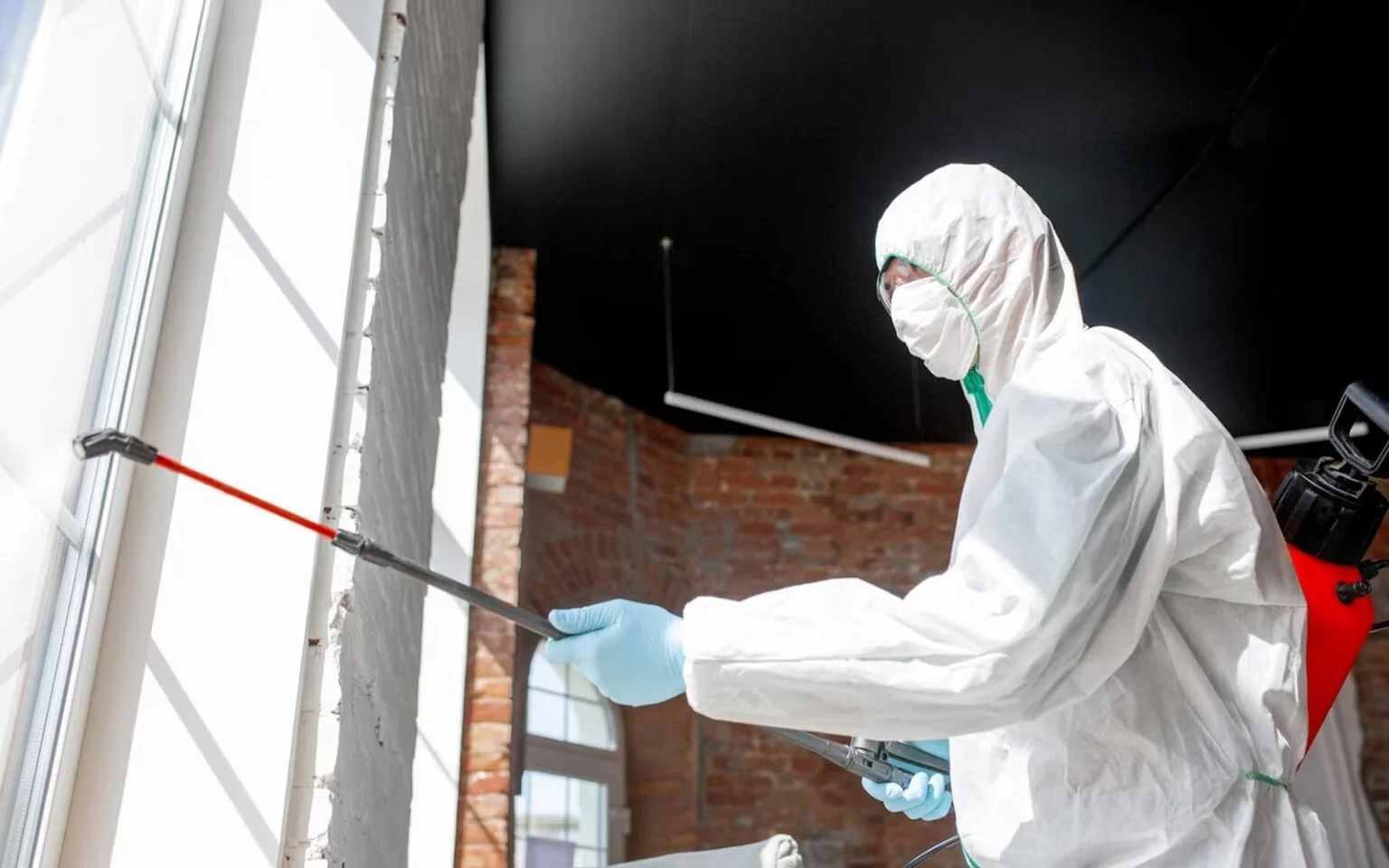
Excessive moisture after water damage can lead to mold growth. Moisture may also remain in areas that aren’t immediately visible, including behind walls, beneath flooring, around cabinets, or within other building materials. If you suspect mold, Beam Water Restoration can evaluate the affected area and determine the appropriate next steps for remediation. The typical mold remediation process involves several key steps: first, a thorough inspection is conducted to assess the extent of the mold and moisture. Next, the area is contained to prevent spores from spreading to other parts of the property. Affected materials are then carefully removed, followed by deep cleaning and sanitizing of surfaces. Throughout the process, special attention is paid to moisture control to ensure the problem does not return. Mold remediation is different from simply drying a wet area, and depending on the intensity of the mold, it may require specialized containment, removal of materials, deep cleaning, and moisture management based on conditions found on the property.
Call NowStop Moisture and Mold Before It Spreads
Our process begins with a thorough inspection using industry-grade equipment to assess walls, floors, and ceilings for any hidden moisture or water damage. Once we identify damp areas, we use powerful fans to circulate air and start the drying phase. Throughout the drying process, we monitor moisture levels to ensure we address every affected spot. Finally, we perform a detailed final check to confirm that the entire property is completely dry and safe.
Our Step-by-Step Water Restoration Process
A common question is, “What are the signs I need structural drying?” Structural drying is needed when there is lingering dampness or wet spots, you smell musty or moldy odors, you see visible mold growth or discoloration on walls, and/or experience water from floors, leaks, or burst pipes. If you suspect hidden moisture after water damage, avoid disturbing damaged materials until the affected area has been evaluated. Beam Water Restoration can assess moisture conditions and determine whether extraction, structural drying, removal, or additional restoration services are needed. . Most importantly, contact a professional structural drying service right away to assess and address the issue. Immediate action can help prevent additional mold or mildew growth, wood warping, drywall damage, and, in severe cases, structural problems that could lead to roof or foundation damage. Addressing the source of moisture is an important part of helping prevent the same problem from continuing. In addition to professional remediation, homeowners can help protect their property by taking some simple steps: inspect pipes and appliances regularly for leaks, ensure gutters and downspouts are clear and direct water away from the foundation, repair any roof or window leaks quickly, and keep indoor humidity levels in check with good ventilation. Promptly drying any wet areas also helps prevent mold from taking hold. Beam Water Restoration can help with water extraction, structural drying, mold remediation, and sewage cleanup. When damaged areas require rebuilding after mitigation is complete, we recommend MSSV Construction to help with your reconstruction or remodeling needs.
Call NowAdditional Resources
Helpful information for property owners after water damage or unexpected property emergency:
Denver Water
Water Service and emergency information
Social Security Office
Help replacing Social Security documents after property damage
Vital Records
Access or replace important birth, death, and marriage records
Century Link
Internet and phone service support after property damage
Xcel Energy
Gas and electric outrage, safety, and service assitance.